Workplace Pest Management in Hamilton, ON: Preventive Measures and Control Guide
Why offices in Hamilton need pest control
Pest control for offices is a important element of preserving any professional space in Hamilton, ON. A single pest issue can impact employee morale, tenant comfort, workplace hygiene, and day-to-day operations. Unlike a residential setting, a commercial office often has shared kitchens, meeting rooms, storage areas, washrooms, mechanical rooms, and lobbies that create more opportunities for pests to find food, water, and shelter.
Hamilton’s property landscape also brings unique challenges for business pest control. Established central office buildings may have concealed entry gaps, aging utility pass-throughs, and long-standing harborage sites behind walls or under floors. Modern commercial developments can still be vulnerable if loading docks, waste areas, and shared access points are not well managed. In both situations, prevention depends on understanding the property, not just reacting after a pest infestation shows up.
Periodic pest issues is another major concern. Hamilton’s damp summers can increase activity from ants, flies, and wasps, while cold winters often send rodents indoors in search of shelter and sustenance. Because office buildings are heated year-round, pests may remain active even when outdoor conditions vary. This is why https://hamilton-onn2mrk971.evergrovio.com/posts/when-to-travel-to-burlington-on-for-the-most-comfortable-climate-and-times-of-year commercial pest control in Hamilton should emphasize risk reduction, preventive actions, and ongoing upkeep rather than one-time response alone.
For all management teams, office pest control is also about business interruption. A minor problem can easily become a larger one if staff members see live insects in common areas or find droppings in storage rooms. Prompt service helps protect the health and safety of everyone while preserving a professional setting for employees, visitors, and tenants.
Frequent office pests in Hamilton workplaces
Several pests are especially common in Hamilton office buildings. The main complaints usually involve ants, cockroaches, rodents, flies, spiders, wasps, and sometimes bed bugs introduced through luggage, second-hand furniture, or shared spaces. Each pest brings different risks, so identification matters before any targeted application is chosen.
Ants often enter commercial offices through small cracks and entry gaps near windows, plumbing lines, or foundation joints. They are drawn to spilled food, sugary drinks, and poorly sealed storage areas. Even a clean office can attract ants if sanitation practices are irregular in kitchenettes or break rooms.
Cockroaches are a serious concern in busy commercial office settings because they can spread quickly in warm, hidden areas. They are often found near sinks, break rooms, copier rooms, and utility spaces. Cockroaches are excellent at hiding in tight harborage sites, which makes inspection and monitoring devices especially important.
Rodents, including mice and rats, are among the most problematic pests in office environments. Mice can fit through very small entry points, while rats are often found near loading areas, waste enclosures, or lower-level access routes. Signs of rodent activity may include gnaw marks, droppings, and contaminated materials. Because rodents can affect health and safety, prompt office pest control is essential.
Flies may seem like a minor nuisance, but in a commercial office they can point to sanitation issues, a nearby waste problem, or a hidden source of moisture. Spiders usually follow other insects and can become more noticeable in storage rooms, basements, and quiet corners where there is less foot traffic. Wasps can be an issue around exterior entrances, rooflines, and patios, especially during late summer. Bed bugs are less common in standard offices than in hospitality settings, but they can still be introduced through upholstered furniture, personal items, or frequent visitor traffic.
Warning signs your office has a pest problem
Early infestation signs are often subtle in a commercial office, which is why ongoing observation is so important. The most obvious signs include droppings, gnaw marks, odor, and live insects. These clues can appear in break rooms, storage closets, file rooms, mechanical areas, and around dumpsters or waste collection points.
Droppings are one of the strongest signs of rodent activity. Mice leave small, dark pellets, while rats leave larger droppings. If droppings are found near food storage, desk cabinets, or behind appliances, the issue should be treated as immediate. Gnaw marks on packaging, wiring, or baseboards also suggest rodents are active and may be nesting within the building.
Odor can be a warning sign as well. A musty mildewy smell may indicate rodents, cockroaches, or hidden waste buildup. In some cases, strong odour near walls or under counters points to a concealed nest or dead pest. Live insects seen during business hours, especially repeated sightings of ants or cockroaches, often mean the problem is more advanced than it first appears.
Other clues can include greasy rub marks, damaged insulation, torn material in secluded spaces, and insects appearing near windows or lights. A careful inspection checklist helps staff and facility managers document where pests are being seen and whether the issue seems isolated or widespread. In a commercial office, these warning signs should never be ignored, because pests rarely stay in one place for long.
How pest control Hamilton services protect offices
Expert pest control Hamilton services protect offices through a careful process built around evaluation, tracking, exclusion, and precise treatment. The goal is not simply to eliminate visible pests but to address the conditions that allow a pest infestation to continue.
The first step is inspection. A certified technician examines the property to identify active pest problems, possible entry points, sanitation concerns, and harborage areas. In offices, this often includes kitchens, storage rooms, mechanical spaces, elevator areas, trash rooms, and shared corridors. An effective inspection looks for both current activity and risk factors that could foster future infestations.
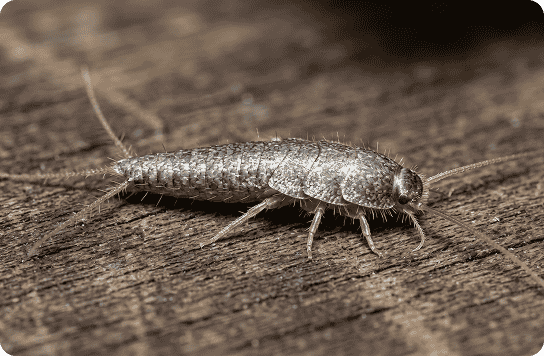
Monitoring devices are then used to track pest activity over time. These may include traps, bait stations, or other non-chemical methods that help determine whether the population is growing, declining, or moving to new areas. Monitoring is especially useful in commercial office buildings where pest pressure can change quickly because of foot traffic, deliveries, or nearby construction.
Exclusion is another major component of office pest control. This means closing entry gaps, repairing damaged screens, adjusting door sweeps, and closing utility openings. Because many pests enter through tiny entry points, exclusion can provide long-term risk reduction and limit the need for repeated treatment.
If pests are active, the technician develops a treatment plan tailored to the building and the type of pest involved. This may include specific application in specific zones rather than broad, unnecessary treatment. In a busy office, discreet service matters because treatment should minimize interruption for staff and tenants while still delivering effective control.
Follow-up service is also critical. One visit is rarely enough for an office building with ongoing traffic, shared access, or seasonal activity. A strong provider will include follow-up service to confirm that the treatment plan is working and to make adjustments if pest pressure changes. This kind of ongoing support is a key part of successful office pest control.
Integrated pest control for office environments
IPM (Integrated pest management) is the ideal strategy for office pest control because it blends prevention, inspection, sanitation, maintenance, and treatment in a balanced strategy. Rather than relying only on chemicals, IPM uses a blend of proactive controls and data-driven decision-making to manage pests effectively in office buildings.
Sanitation is central to IPM. In an office, sanitation practices include cleaning food prep areas, wiping down shared kitchen surfaces, emptying waste regularly, and preventing spills from sitting overnight. Even small food residues can attract ants, flies, and cockroaches. In larger properties, cleaning schedules should be coordinated with property management to ensure common areas are maintained consistently.
Repairs also matters. Broken seals, damaged weather stripping, leaking pipes, and neglected storage rooms all create pest-supporting conditions. Regular maintenance supports long-term control by removing the moisture, clutter, and access points pests need to survive. Keeping records of repairs and inspections can also help identify recurring problem areas.
IPM places a strong emphasis on preventive controls. These can include monitoring devices, exclusion work, staff education, and routine documentation of infestation signs. By combining data and observation, an office can respond earlier and more precisely. This approach is especially valuable in commercial office buildings where tenant operations, visitor traffic, and building access all influence pest activity.
For Hamilton businesses, IPM is a practical way to manage pest problems with minimal disruption. It supports workplace hygiene, helps protect employee health and safety, and reduces the chance that a small issue becomes a larger operational problem. In occupied offices, that balance is often just as important as the treatment itself.
Workplace pest prevention tips for Hamilton businesses
Preventing pests in a commercial office begins with consistent habits. Hamilton businesses can lower pest pressure by paying attention to food storage, waste management, sealing entry points, and cleaning schedules. These steps are simple in concept, but they need to be maintained across the entire workplace to be successful.
Food storage should be handled with care in break rooms, staff kitchens, and shared refrigerators. Open packages, uncovered snacks, and overflowing pantry shelves attract ants, cockroaches, and rodents. Store dry goods in sealed containers and avoid leaving food out overnight, especially in offices with late shifts or rotating staff. If a building has multiple tenants, each suite should follow the same standards so one group does not undermine another’s efforts.
Waste management is also essential. Trash bins should be emptied regularly, liners replaced, and waste areas kept clean and dry. Overflowing waste can attract flies, rodents, and other pests. Outside the building, dumpsters and recycling areas should be positioned and maintained to reduce pest access. Shared access points in busy areas like Downtown Hamilton and East Hamilton can make this more important, since food waste, deliveries, and foot traffic often create repeated pressure on building perimeters.
Sealing entry points is one of the most effective preventive measures. Check for cracks around windows, doors, vents, utility lines, and foundations. In older downtown office buildings, these entry gaps may be hidden behind trim or within aging masonry. Newer properties also need attention because gaps can develop around service penetrations and loading areas. Exclusion work should be part of the building’s ongoing maintenance plan.
Cleaning schedules should be well established and consistent. Shared surfaces, kitchenettes, break areas, and storage rooms need regular cleaning to remove crumbs, residue, and clutter. A clean office is not only more professional; it also makes it harder for pests to find harborage sites. In a commercial office, prevention works best when staff, cleaners, and property management all follow the same standards.
What you can expect during the commercial pest inspection
The commercial pest inspection in Hamilton should start with a property assessment. Your licensed technician will examine the site layout, inquire about pest sightings, and inspect both interior and exterior areas for signs of activity. This assessment may include roof access points, mechanical rooms, kitchenettes, loading zones, basements, and waste collection areas.
During the check, the professional will spot harborage spots where pests may hide or move without being seen. They can include cluttered storage spaces, cavities behind walls, spaces under sinks, and areas around pipes or cable entry points. In commercial offices, these hiding spots are often found where there is limited foot traffic and limited ability to clean.
The examination checklist generally involves checking for droppings, gnaw marks, odor, moisture problems, and evidence of live insects. The technician can also note access points, damaged screens, and factors that promote seasonal activity. If the building has multiple tenants, the examination can include common areas and any shared service spaces that might influence the entire property.
After the assessment, the technician should outline the treatment plan in clear language. This may cover monitoring devices, exclusion advice, cleaning improvements, and any targeted application needed to lower live pests. In many business settings, the plan also details post-treatment service to verify results and adjust the strategy if necessary.
For office managers, the value of inspection is not just finding pests. It is understanding why the issue exists and what steps will prevent it from returning. A thorough inspection turns a short-term reaction into a sustainable solution.
Selecting the right pest control provider in Hamilton
Selecting the right pest control provider in Hamilton requires more than comparing prices. Offices need a company with qualified technicians, commercial experience, and a service model built for occupied workplaces. The right provider should know the pressure points of office pest control and be prepared to work around tenant schedules and building rules.
Licensed technicians are vital because commercial pest problems require safe, precise decisions. They should be able to identify pest species accurately, recommend the right treatment plan, and explain the role of exclusion, monitoring, and follow-up service. In a commercial office, expertise matters because a misdiagnosis can waste time and increase the chance of operational disruption.
Commercial experience is another key factor. A provider that works regularly in office buildings will understand the needs of property management, shared facilities, and service contracts. They should know how to work in mixed-use buildings, communicate with building staff, and protect workplace hygiene without creating unnecessary disruption.
Service contracts can be especially valuable for offices with ongoing pest pressure or multiple tenants. A good contract should clarify service frequency, response expectations, monitoring procedures, and reporting. It should also support preventive measures rather than waiting until pests become visible.
Response time is essential when pests appear in a commercial office. Quick action helps limit spread and protects employee confidence. Ask how urgently the company can respond to a new complaint, whether after-hours appointments are available, and how discreet service is handled. In occupied office spaces, discreet service is not just a convenience; it is part of maintaining professionalism and trust.
Mosquito Man Hamilton62 First Rd W, Hamilton, ON L8J 3R2, Canada
+1 289-408-9573
https://maps.app.goo.gl/47W3PJ15EnQopiUf6
https://sites.google.com/view/pest-control-hamilton-ontario/
43.1795221, -79.7846013
Local compliance and workplace safety considerations
Office pest control in Hamilton must comply with Ontario regulations and workplace safety expectations. Commercial sites are not managed the same way as homes, and treatment decisions should reflect both the building’s use and the people working inside it. That means planning around employee safety, product handling, and communication with staff and tenants.
WHMIS is a key consideration whenever pest control products are used in the workplace. Staff and facility managers should know any applicable hazards, the sequence of applications, and what spaces may need short-term access restrictions. Effective communication helps avoid confusion and supports safe operations during treatment.
Unobtrusive support is especially important important in operational offices. A contractor should understand how to work with minimal interruption, reduce visibility, and protect the professional environment. This is essential in front offices, law firms, medical-adjacent buildings, and other locations where clients may be present throughout the day. A calm, structured approach promotes both compliance and tenant comfort.
Ontario regulations also emphasize the need for professional standards in commercial pest control. A qualified provider should record service properly, use methods appropriate to the pest and setting, and provide advice that lower future risk. For office managers, this means choosing a partner who treats safety and accountability as an element of the service, not an afterthought.

FAQ about office pest control in Hamilton
How much does office pest control in Hamilton cost?
Pricing factors usually depend on the scale of the office space, the kind of pest, the extent of the infestation, access issues, and whether ongoing service agreement support is needed. Larger sites, multi-tenant premises, and issues involving rodents or cockroaches often require more inspection time, monitoring, and follow-up service, which can impact pricing. An accurate assessment is the most reliable way to get an accurate estimate.
How regularly should an office in Hamilton be inspected for pests?
Inspection frequency depends on the building type, pest history, and seasonal activity. Numerous workplaces gain from regular inspections as part of preventive measures, especially if they are in older downtown properties, mixed-use buildings, or high-traffic corridors. Offices with recurring issues, shared kitchens, or loading access should consider more frequent monitoring to reduce the chance of a pest infestation.
What insects are most frequently seen in Hamilton office buildings?
The most frequent pests in office buildings include ants, cockroaches, rodents, mice, rats, flies, spiders, wasps, and sometimes bed bugs. The exact combination depends on the building, nearby businesses, sanitation practices, and access points. In Hamilton, seasonal pressure can also affect which pests are most active at different times of year.
Can pest control be done outside office hours?
Certainly, many providers offer discreet service outside standard office hours to reduce operational disruption and protect tenant comfort. After-hours scheduling is often a good option for busy commercial office environments, especially where employees, clients, or sensitive workspaces are involved. It can also make treatment and monitoring easier without interrupting the day’s workflow.
How can we prevent pests from returning to our workplace?
Prevention works best through integrated pest management (IPM), consistent sanitation, sealing entry points, proper waste management, and regular maintenance. Offices should also keep cleaning schedules up to date, store food securely, and watch for early infestation signs like droppings, gnaw marks, odor, or live insects. Ongoing monitoring and follow-up service from a licensed technician can further reduce the chance of pests returning.