Centipede Pest Management in Hamilton Homes: Prevention and Solutions
62 First Rd W, Hamilton, ON L8J 3R2, Canada
+1 289-408-9573
https://maps.app.goo.gl/47W3PJ15EnQopiUf6
https://sites.google.com/view/pest-control-hamilton-ontario/
43.1795221, -79.7846013
What Centipede Sightings Indicate in a Hamilton Home
Spotting centipedes in a home is usually a sign that the indoor environment is creating the conditions they like most: shade, humidity, and places to hide. In Hamilton homes, that often means there may be a broader issue with indoor pests, not just a single wandering arthropod. House centipedes are among the most common Ontario pests seen indoors, especially in properties with damp basements, humid crawlspaces, and quiet harbourage areas behind stored items or along baseboards.
Centipedes are not typically a sign of filth, but they are a clue that something about the property conditions is attracting them. If you are noticing repeated sightings, especially in lower levels of the house, it is worth paying attention to moisture control, sanitation, and possible entry points. In many cases, a centipede problem is tied to the presence of other insects they feed on, which means the issue can sit within a more extensive indoor pest ecosystem.
For homeowners seeking pest control Hamilton services, centipedes often become a concern because they appear without warning and move fast. House centipedes in particular are fast, hard to miss, and often show up in bathrooms, basements, or near kitchen plumbing. They are usually active at night, which makes them part of the broader category of nighttime pests that tend to remain hidden during the day and emerge when the house is still.
Reasons Why Centipedes Show Up in Hamilton, ON
Centipedes are highly associated with moisture, which is a key reason Hamilton, ON homes often experience them in below-grade spaces. The city’s lake-effect humidity can add to damp basements, especially during seasonal transitions when outdoor air becomes damp and indoor condensation rises. Spring and fall in Southern Ontario often bring a spike in indoor insect activity, because changing temperatures push both centipedes and the insects they hunt closer to shelter.
Basements and crawlspaces are especially essential to inspect in Hamilton because many homes have aging foundations, utility penetrations, or subfloor areas that allow moisture to linger. Once moisture collects, centipedes can find shelter in cracks, around pipes, and in dark corners where air circulation is restricted. These moist environments are perfect for house centipedes and the smaller insects they feed on, which can create a pattern of recurring sightings.
Foundation cracks are a common issue in older neighbourhoods and can serve as both a moisture source and an access route. In areas like Dundas, Stoney Creek, and East Hamilton, older homes may have settling cracks, gaps around framing, and other structural gaps that allow indoor pests to move inside. Even newer houses can develop foundation cracks or entry points over time if grading, drainage, or caulking starts to fail.
It is also important to note that kitchens and bathrooms often provide the warmth and humidity centipedes seek. Leaks under sinks, around toilets, or near laundry appliances can create localized moisture that supports insect activity. When centipedes are seen repeatedly in these rooms, the problem is often linked to hidden dampness rather than the centipedes themselves.
Warning Signs That You May Need Pest Control Hamilton Solutions
One centipede sighting doesn't automatically mean a centipede infestation, but repeated sightings can point to a deeper issue. The most common infestation signs include seeing centipedes in the same areas over and over, finding them in the basement or crawl spaces, or noticing them in bathrooms and kitchens after dark. If you routinely spot them during nighttime activity, that often suggests the home has the kind of indoor conditions that support ongoing pest pressure.
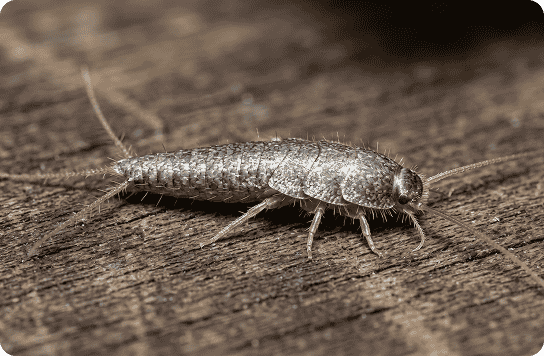
An additional warning sign is seeing centipedes alongside other insect activity. Since house centipedes feed on smaller insects, they may be present because there are also flies, silverfish, spiders, ants, or other indoor pests hiding in the same damp spaces. This is where integrated pest management becomes important, because the goal is not just to remove centipedes but also to address what is drawing them in.
Take a close look at crawlspaces and basement corners, especially if you notice damp smells, condensation, or evidence of leaks. These areas often become harbourage areas where pests remain hidden during the day. If you see centipedes darting out from behind stored items, utility rooms, or along foundation edges, that is a clue that inspections may be needed sooner rather than later.
Recurring sightings in bathrooms, along floor drains, or near kitchen plumbing can also indicate structural gaps or moisture issues. When centipedes keep returning despite regular cleaning, the problem often involves more than routine housekeeping. In those situations, pest control Hamilton homeowners rely on can help identify where the insects are entering and which conditions need correction.
How to Keep Away Centipedes Indoors
The most effective way to keep out centipedes is to make your home less attractive to them. That means lowering moisture, clearing hiding places, and sealing the ways they get inside. Moisture reduction should start with the basement, crawlspaces, and any lower-level room that tends to feel damp. A dehumidifier can make a meaningful difference in Hamilton homes, especially during humid months or in finished basements that do not get strong airflow.
Leak repair is another priority. Fixing leaks under sinks, around sump pumps, behind toilets, and near laundry machines helps reduce indoor humidity and cuts off a key centipede attraction. If you suspect moisture is building behind walls or under the subfloor, it is important to investigate quickly before the issue spreads to other indoor pests.
Sealing entry points is one of the strongest pest prevention steps. Crack sealing around the foundation, utility lines, vents, and window wells can block structural gaps that centipedes use to enter. Pay special attention to foundation cracks and other entry points near basements and crawlspaces, since these are common access routes in both older and newer Hamilton properties.
Clutter reduction also matters. Centipedes prefer hidden, undisturbed spaces, so piles of cardboard, stacked storage bins, and items stored directly on the basement floor can create perfect harbourage areas. Keeping the area tidy improves sanitation and reduces the number of places pests can hide.
For sustained control, think in terms of integrated pest management. That means combining moisture control, cleaning, sealing, and regular monitoring instead of relying on one quick fix. A dry, tidy home with fewer structural gaps is much less appealing to centipedes and the insects they hunt.
Professional Centipede Control Treatments
Specialist centipede control often starts with a thorough inspection. A licensed pest control technician will look for moisture sources, insect activity, structural gaps, and other conditions that support centipede survival. This home inspection often includes basements, crawlspaces, bathroom plumbing, kitchen utility areas, and exterior foundation lines to identify exactly where the issue is coming from.
After the source is identified, targeted treatments can be applied where they are most effective. These are not broad, one-size-fits-all approaches. Instead, they focus on the places centipedes travel, hide, and enter. Perimeter treatment may be used around the exterior foundation, while interior crack and crevice work can target areas with the highest activity.
Residual treatments are often part of a professional plan when centipede activity is persistent. These residual insecticides can help reduce insect activity in https://hamilton-onl7cys636.almoheet-travel.com/hamilton-pest-control-resource-for-communities-and-local-essentials problem zones over time, especially when combined with exclusion and moisture control. The purpose is not only to kill the centipedes present now, but also to create a safer treatment barrier that discourages new activity.
Exclusion is equally important. If the inspection reveals foundation gaps, damaged screens, or openings around pipes and vents, those areas should be sealed to reduce future access. This combination of exclusion and targeted treatments is usually far more effective than spraying randomly, particularly in homes where moisture or harbourage areas continue to support pests.
For Hamilton properties, local pest control should be tailored to the building. A damp basement in an older home in East Hamilton may need a different plan than a newer build in Stoney Creek with crawlspace ventilation concerns. Professional treatment works best when it is matched to the structure and the local conditions causing the pest pressure.
When to Call a Hamilton Pest Control Expert
If centipedes keep coming back after you have decluttered, repaired visible leaks, and used a moisture reducer, it may be time to call a Hamilton pest control expert. Recurring pests are often a sign that the underlying source has not been fully addressed. When sightings continue in multiple rooms or on various levels, the problem may involve concealed dampness, inaccessible structural gaps, or a larger pest concern.
You should also call for help if you suspect multi-pest issues. Centipedes are predatory insects, so their presence can indicate other indoor pests are living in the same part of the home. If you have noticed silverfish, spiders, ants, or other insects in the basement or crawlspaces, a licensed pest control technician can determine whether the centipedes are part of a more extensive pest pattern.
Structural entry points are one more reason to bring in a professional. Cracks in the foundation, warped trim, gaps around plumbing, and aging basement windows can all create routes for centipedes to enter. A trained technician can determine which openings are most important and recommend the right exclusion steps for the home.
Hamilton homeowners often rely on professional support because many properties have distinct moisture and building challenges. Older houses, waterfront moisture exposure, and mixed urban housing stock can all make do-it-yourself fixes unfinished. A skilled technician can combine inspections, targeted treatments, and prevention planning into a more durable solution.
Centipede Prevention for Hamilton’s Historic and Modern Neighbourhoods
Centipede control in Hamilton has to consider the city’s varied housing stock. Older homes in neighbourhoods such as Dundas, Stoney Creek, and East Hamilton often have foundation settling, aging mortar, and hidden structural gaps that make pest entry easier. These homes may also have unfinished basements or older crawlspaces that naturally hold more moisture, creating ideal conditions for centipedes.
New builds can also experience centipede issues, even if they are less likely to have visible deterioration. In newer homes, problems often show up where grading, drainage, or ventilation is not performing as expected. Moisture can accumulate in basements or crawlspaces, and if the subfloor area is not properly managed, insect activity can still become a concern.
Waterfront moisture is another local factor that matters in Hamilton. Homes closer to the lake or in areas influenced by higher ambient humidity can experience more dampness than homeowners expect. Even a well-kept property can become attractive to centipedes if the air stays humid and the basement never fully dries out.
Urban housing across Hamilton also presents challenges. Townhomes, duplexes, and tightly built residential blocks can share walls, utility channels, and localized moisture issues that influence pest movement. In these settings, sealing entry points, improving ventilation, and monitoring common harbourage areas are especially important.
Whether a home is older or newer, the key is to respond to property conditions rather than treating centipedes as an isolated problem. Moisture control, crack sealing, and inspection of lower-level spaces remain the foundation of effective centipede control throughout the Greater Hamilton area.
Frequently Asked Questions
Are house centipedes harmful in Hamilton homes?
House centipedes are typically not considered harmful to people or pets in Hamilton homes. They can look intimidating because they move fast and appear in bathrooms, basements, and other dark spaces, but they are usually more of a annoyance than a danger. Some people may experience a small bite if they handle one, but that is infrequent and typically not serious. The bigger concern is that their presence can signal humidity, indoor pests, or other conditions that should be corrected.
What causes centipedes keep showing up in my basement?
These pests often turn up in basements because those areas often have the humidity, wetness, and protected spaces they prefer. In Hamilton, basements commonly have humid air, tiny water leaks, or foundation cracks that permit centipedes and other insects to get in and hide. If the basement also contains cardboard, cluttered storage, or limited airflow, the problem can continue. A blend of moisture reduction, exclusion, and inspections is usually needed to stop recurring sightings.
What’s the quickest method to get rid of centipedes indoors?
The fastest way to remove centipedes indoors is to address the conditions that encourage them while also treating active insect infestation. First, drying out damp areas with a dehumidifier, fixing leaks, and clearing clutter from basements and crawlspaces. Then seal entry points and consider professional targeted treatments if sightings continue. Prompt cleanup may cut down on the number you see, but long-term control usually requires more than a temporary spray.
Can pest control Hamilton treatments prevent centipedes from coming back?
Indeed, pest control Hamilton treatments can reduce centipedes from reappearing when they are paired with exclusion and humidity management. Professional services usually emphasize evaluation, targeted treatments, protective treatments where needed, and sealing structural gaps. If the technician also tackles moisture sources, basement conditions, and other indoor pests, the results are usually longer-lasting. Avoidance works best when the treatment plan is suited to the home’s specific conditions.
How much time does centipede treatment generally take to work?
Centipede treatment can begin lowering activity soon, but the full result depends on the house’s condition. Direct treatments may reduce sightings within days, while sealing entry points, crack sealing, and moisture reduction may take longer to show their full effect. If the home has repeated pests, structural entry points, or a persistent moisture problem, it may take several visits or follow-up monitoring to fully resolve the issue. A licensed pest control technician can explain what timeline to expect based on the inspection findings.